
Scent Blog
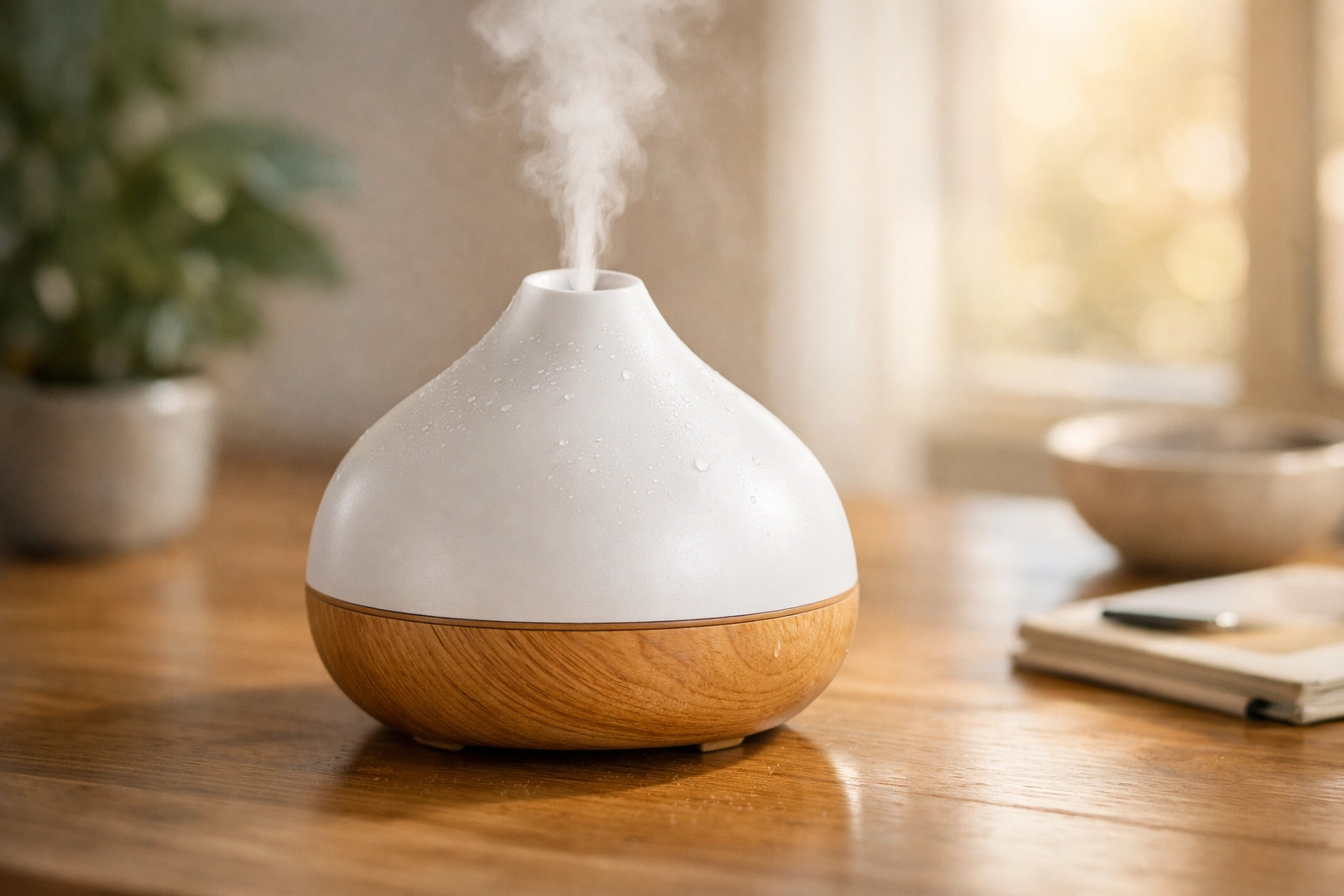
The Quiet Alchemy of Air: Rethinking the Ultrasonic Diffuser in Modern Living
There is a particular kind of quiet that settles over a room when you finally close the door at the end of a long day. It is in these moments that we instinctively reach for the things that promise restoration a soft blanket, a warm drink, and perhaps the gentle plume of mist rising from an ultrasonic diffuser on the nightstand. We have been told that these devices are the gateway to tranquility, turning our homes into spas and our bedrooms into sanctuaries. But as with many modern conveniences, the reality of what we are breathing in is far more complex than the pleasant scent we perceive.
The ultrasonic diffuser has become a staple of the contemporary home, celebrated for its ability to disperse essential oils into a fine, cool mist. It is lauded as a tool for wellness, a decorative object, and a solution for creating a calming atmosphere. However, as we become more conscious of indoor air quality and its profound impact on our health, it is worth taking a closer look at what these devices actually do to the air we spend nearly ninety percent of our lives breathing.
The Mechanics of Mist
To understand the impact of an ultrasonic diffuser, we must first understand how it works. Unlike heat diffusers that warm oils to release fragrance, or nebulizing diffusers that use pressurized air to atomize pure oil, the ultrasonic model relies on high-frequency vibrations. Inside the device, a small ceramic plate vibrates at an ultrasonic frequency, breaking down water and oil into microscopic particles that are then expelled into the room as a cool, dry fog.
This mechanism is elegant in its simplicity. It allows the fragrance to travel far and wide, and because it uses water as a carrier, it feels gentle on the senses. Yet, this very mechanism introduces a variable that many users overlook: the quality of the water and the subsequent interaction of that water with the indoor environment.
A Deeper Look at Indoor Air Quality
Concerns regarding the widespread use of ultrasonic diffuser technology are not merely anecdotal; they are beginning to be explored in scientific literature. Researchers have noted that the rise in popularity of these devices has outpaced the research into their potential health effects. One rigorous study conducted by a team at Riga Stradiņš University sought to analyze exactly what happens when we run these machines in controlled, indoor settings. The research examined the effect of using an ultrasonic diffuser with distilled water, tap water, and tap water mixed with essential oils, measuring both particulate matter and microbiological contamination.
The findings, presented at an international scientific conference, offered a nuanced view. On one hand, the study observed that when using distilled water, the levels of larger particulate matter specifically PM1, PM2.5, and PM10 could be maintained within acceptable ranges over a four-hour period. This suggests that with proper use, the ultrasonic diffuser does not necessarily contribute to the kind of coarse particle pollution we typically associate with respiratory irritation. However, the research also highlighted a more subtle concern: an increase in nanoparticle concentrations. As the authors noted, there is a distinct lack of specific guidelines for these ultrafine particles, leaving a gray area in our understanding of long-term exposure. Furthermore, the study identified the presence of biological material in the air after diffusion, including common non-pathogenic bacteria like Aerococcus viridans and Micrococcus luteus, alongside various fungal species. While the researchers were careful to note that these microorganisms were not pathogenic and presented no significant infection risk, their presence underscores a critical point: an ultrasonic diffuser is a vehicle for whatever is in the water whether that is clean moisture, mineral deposits, or microbial life.
"The usage of ultrasonic diffusers in indoors has raised concerns regarding their potential health effects, mostly due to the lack of research on the matter. It was noted that the microorganisms identified were not pathogenic, presenting no significant infection risk from the diffuser's use."
This quote, drawn from the study presented at the Society. Integration. Education. conference, encapsulates the current state of our knowledge. There is a general reassurance that we are not likely to get sick from a well-maintained diffuser, yet the question of what we are inhaling on a daily basis remains an open one.
The Sensory Benefits Versus Biological Realities
If the ultrasonic diffuser carries such complexities, why has it become so deeply embedded in our wellness routines? The answer lies in the power of scent. The field of aromatherapy has garnered significant scientific interest, particularly regarding its effect on stress, anxiety, and mood. The psychological benefits are not merely subjective; they are measurable.
A landmark study conducted by researchers at Northumbria University explored the effects of an eight-week aromatherapy intervention on chronic stress. The study, which utilized a blend of essential oils administered to clinical aromatherapy clients, produced compelling results. Participants who received the aromatherapy intervention reported significant reductions in self-reported stress, anxiety, and mood disturbance. Perhaps even more striking was the objective data: hair cortisol levels a reliable biomarker of chronic stress also declined significantly in the treatment groups. The control group, which received no intervention, showed no such changes.
"These findings clearly support the effectiveness of clinical aromatherapy practice for the treatment of chronic stress and suggests that method of extraction of the essential oils is not a critical factor."
This research, published in the International Journal of Complimentary & Alternative Medicine, validates what many have long suspected: the compounds in essential oils, when delivered effectively, can exert a tangible influence on our nervous system. Another systematic review published in Frontiers in Public Health further supports this, concluding that aromatherapy with specific oils like Rosa damascene (Damascus rose) significantly alleviated anxiety symptoms, mitigated stress, and improved sleep quality . The evidence for the efficacy of the oils themselves is robust.
The disconnect arises in the delivery mechanism. Clinical studies on aromatherapy often use controlled inhalation devices or topical application to ensure precise dosing. The ultrasonic diffuser, by contrast, is a relatively uncontrolled system. It disperses a mixture of water and oil into a space where it mixes with existing air pollutants, dust, and humidity levels. The clinical benefit of the oil does not automatically negate the potential physical burden of the carrier water or the altered particulate matter in the room.
The Mineral Mist Conundrum
One of the most debated aspects of using an ultrasonic diffuser involves the type of water used. Many users fill their devices with tap water, which contains dissolved minerals like calcium and magnesium. When the ultrasonic plate vibrates, these minerals do not simply disappear. They are atomized along with the water and essential oils, suspended in the air as a fine white dust that settles on nearby furniture.
While this dust is generally considered inert, it contributes to the burden of particulate matter in the indoor environment. For individuals with respiratory sensitivities, such as asthma or allergies, this additional load can be a trigger. The previously mentioned study confirmed that the choice of water significantly alters the output of the device. Using distilled water, which is free of these minerals, resulted in a different particulate profile than using tap water.
Navigating the Balance of Humidity
There is also a common conflation in the consumer market between the ultrasonic diffuser and the humidifier. While they share a similar appearance, their purposes are distinct. A humidifier is designed to add significant moisture to the air to alleviate dryness caused by heating or cooling systems. An ultrasonic diffuser, even one with a sizable water tank, is not designed to act as a primary humidifier. Its water output is generally too low to affect the overall humidity of a room meaningfully. If you are running a diffuser to combat dry sinuses, you may find that it is not up to the task, and you might be better served by a dedicated humidifier.
The interplay between the two devices is an important consideration for indoor environmental quality. Dry air can exacerbate respiratory discomfort, but air that is too moist creates a breeding ground for mold and dust mites. While the ultrasonic diffuser adds a small amount of moisture, it is the cleanliness and frequency of maintenance that often determines whether the device becomes a help or a hindrance.
A Framework for Conscious Use
Given these complexities, the goal is not to discard the ultrasonic diffuser but to use it with intention and awareness. To integrate this tool into a truly wellness-focused lifestyle, we must shift from viewing it as a passive decorative object to an active component of our indoor ecosystem.
The cornerstone of safe use is rigorous hygiene. Because the ultrasonic diffuser uses water, it is susceptible to biofilm formation a slimy layer of bacteria that can accumulate in the tank. Studies on humidifiers have shown that without regular cleaning, these devices can aerosolize bacteria, contributing to indoor bioaerosol risks. To prevent this, the water tank should be emptied, rinsed, and dried after each use. A thorough cleaning with white vinegar or a mild soap solution should be performed weekly to prevent the buildup of mineral scale and microbial growth.
The choice of essential oils also matters. While the diffuser is a neutral carrier, the quality of the oils used is paramount. Synthetic fragrances can contain phthalates and other volatile organic compounds that degrade indoor air quality. Opting for pure, high-quality essential oils ensures that the only volatile compounds entering the air are those intended for therapeutic benefit. Furthermore, the duration of use should be moderated. A common recommendation is to run the diffuser for thirty to sixty minutes at a time rather than continuously. This allows the olfactory system to receive the benefits without overwhelming the space with moisture and particulate matter.
The Scientific Frontier
The scientific community is still catching up with the rapid adoption of these devices. Researchers are actively investigating the emissions from ultrasonic humidifiers and diffusers, exploring the chemical composition of the particulate matter generated and the implications for long-term health. One study cited in a systematic review on the subject noted that the mass of particulate matter generated correlated with the total alkalinity of the water, reinforcing the recommendation to use distilled water . As we await more comprehensive guidelines, we must rely on a principle of precaution: we know that indoor air quality is a critical determinant of our health, and we know that the ultrasonic diffuser indisputably changes that air.
Cultivating a Sanctuary
Ultimately, the desire to fill our homes with pleasant scents is not just about aesthetics; it is about creating a space that feels safe, calming, and restorative. The ultrasonic diffuser can be a wonderful tool in that pursuit, but it should not be the only one. True indoor wellness is holistic. It involves adequate ventilation, the use of air purifiers where necessary, the maintenance of proper humidity levels, and the reduction of synthetic chemical pollutants.
When we use an ultrasonic diffuser thoughtfully with clean water, pure oils, and a consistent cleaning schedule we can enjoy the profound benefits of aromatherapy without compromising the integrity of our indoor air. The mist that rises from the device should be a symbol of intentionality, not a cloud of uncertainty.
It is easy to get lost in the romance of a candlelit room and a sputtering diffuser. We want to believe that wellness can be purchased and plugged in, that the simple act of pressing a button can dissolve the stress of the day. And to some extent, it can. But the deeper, more lasting wellness comes from understanding the tools we invite into our most private spaces. It comes from knowing that the ultrasonic diffuser is not a magic wand, but a sophisticated instrument that requires a knowledgeable hand.
So, as you set up your evening ritual, take a moment to appreciate the quiet alchemy of the device. Fill it with distilled water, add a few drops of an oil known for its calming properties perhaps the lavender being studied for its anxiolytic effects in cancer patients , or the lemon balm shown to reduce perceived stress in clinical trials . Run it for an hour, let the scent settle, and then let the device rest. Open a window for a few minutes to allow fresh air to circulate. In this balance between the therapeutic and the mechanical, between the ancient wisdom of plants and the modern science of air quality, we find the truest path to a healthy home.