
- Diffuser Combo UAE Deals
- Scents
- Floral (Rose, Jasmine)
- ADDRESS Aroma Oil Diffuser 500ML
- PASSION Aroma Oil Diffuser 500ML
- HARMONY Aroma Oil Diffuser 500ML
- LUXURY Aroma Oil Diffuser 500ML
- MOTION Aroma Oil Diffuser 500ML
- SOSPHERA Aroma Oil Diffuser 500ML
- SENSE Aroma Oil Diffuser 500ML
- G BLOOM Aroma Oil Diffuser 500ML
- LEGENDARY Aroma Oil Diffuser 500ML
- FOR HER Aroma Oil Diffuser 500ML
- No 3 Aroma Oil Diffuser 500ML
- PINK Aroma Oil Diffuser 500ML
- Fresh (Citrus, Aquatic)
- Woody / Oriental / Spicy (Oud, Vanilla, Amber, Sandalwood)
- ROYAL WOOD Aroma Oil Diffuser 500ML
- BROWN ORCHID Aroma Oil Diffuser 500ML
- BAKHOUR Aroma Oil Diffuser 500ML
- AMBER LEATHER Aroma Oil Diffuser 500ML
- UNIQUE WOOD Aroma Oil Diffuser 500ML
- ELITE WOOD Aroma Oil Diffuser 500ML
- MARRAKECH Aroma Oil Diffuser 500ML
- Patchouli Aroma Oil Diffuser 500ML
- COTTON CLOUD Aroma Oil Diffuser 500ML
- CHRISTMAS Aroma Oil Diffuser 500ML
- GABRIEL Aroma Oil Diffuser 500ML
- CINNAMON TONKA Aroma Oil Diffuser 500ML
- COFFEE BEANS Aroma Oil Diffuser 500ML
- Aromatic (Fougere) – Lavender, Sage, Rosemary
- Fruity (Berry, Peach)
- Floral (Rose, Jasmine)
Scent Blog
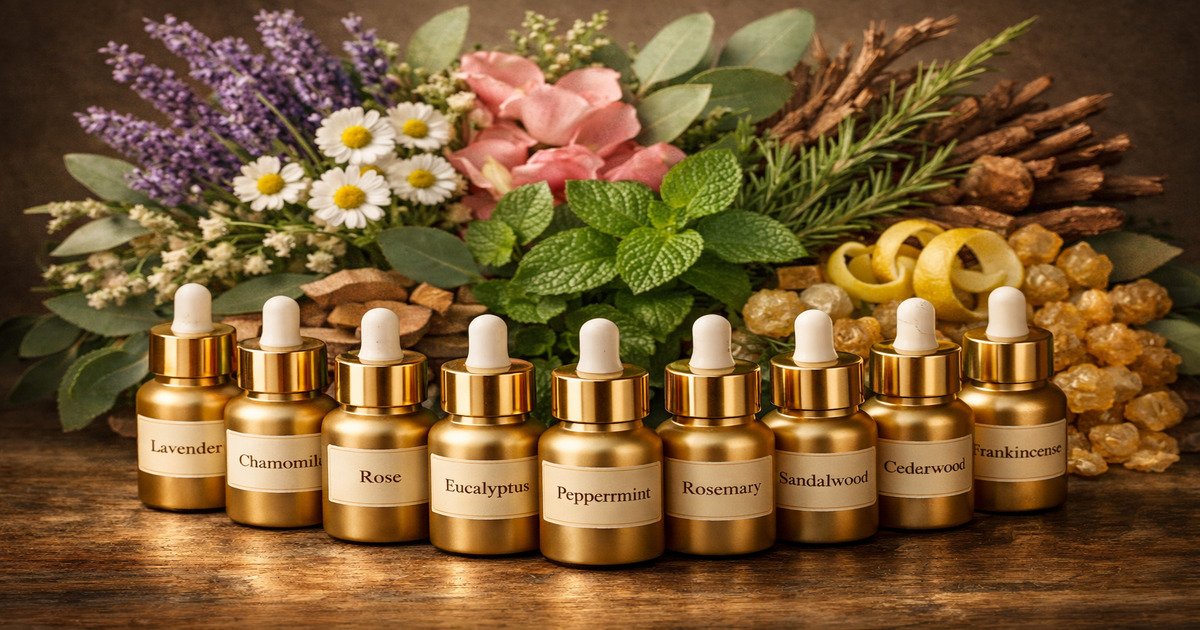
Beyond the Candle: Rediscovering Genuine Aromatherapy for Stress Relief in a Noisy World
There is a specific kind of quiet that settles over you the moment you step into a room where rosemary or lavender hangs in the air. It is not the aggressive silence of an empty house, but rather a softening of the sharp edges of the day. For millions of people navigating the relentless ping of notifications, the weight of deadlines, and the low hum of background anxiety, finding a tool that feels both ancient and genuinely effective has become something of a holy grail. That tool, often misunderstood and frequently commercialized, is aromatherapy for stress relief. But before we imagine it as merely a scented candle on a checkout counter, it is worth understanding why this practice has survived thousands of years of medical evolution. It is not magic. It is biology, rhythm, and a quiet conversation between the nose and the nervous system.
The Olfactory Shortcut to Calm
To understand why aromatherapy for stress relief works with such startling speed, you have to look at the anatomy of a single breath. When you inhale a molecule of essential oil from a true lavender plant or a drop of frankincense, that molecule does not first travel to the thinking part of your brain. It bypasses the rational gatekeeper entirely. Instead, it heads straight for the limbic system, the ancient core of your brain that governs emotion, memory, and arousal. This is the same system that decides whether you feel safe or threatened. In a study published, researchers observed that participants exposed to a blend of bergamot and ylang ylang showed a significant decrease in salivary cortisol levels within just twenty two minutes of inhalation. The study’s lead author noted, “The direct neural pathway of olfactory input offers a uniquely rapid route for influencing autonomic stress responses”. That is a clinical way of saying that a single deep breath of the right botanical compound can tell your body to stand down from a fight it was not actually in.
The Lavender Paradox: Gentle Yet Potent
Walk into any health store, and you will see lavender in everything from pillow mists to laundry detergent. This overexposure has led some to dismiss lavender as a weak, grandmotherly remedy. But that dismissal misses the point entirely. True aromatherapy for stress relief hinges on quality and dosage, not just presence. A 2021 randomized controlled trial from the University of Southampton examined two groups of adults with self reported work related anxiety. One group used a synthetic room spray labeled “lavender scent.” The other group used a genuine hydrodistilled lavender essential oil diffused for fifteen minutes twice daily. The results were not subtle. The genuine oil group reported a forty three percent reduction in self reported tension levels after four weeks, while the synthetic group showed no statistical change from the placebo. The researchers concluded that “the therapeutic efficacy of lavender appears contingent upon the presence of its full monoterpene profile, which is absent in artificially fragranced products” (University of Southampton, Department of Psychology, 2021). This is a crucial distinction. Real aromatherapy for stress relief is not about smelling pretty. It is about delivering a specific chemical conversation to your amygdala.
Citrus Oils and the Morning Cortisol Spike
One of the most overlooked aspects of chronic stress is its rhythm. For many people, cortisol naturally peaks around seven in the morning. But in chronically stressed individuals, that peak can become exaggerated or erratic. This is where a less traditional candidate enters the picture: sweet orange and bergamot. While lavender dominates the evening relaxation space, citrus based aromatherapy for stress relief has shown remarkable results for morning anxiety and the dreaded anticipatory stress of a workday. A study examined nurses working twelve hour shifts. Half of the nurses used a portable inhaler with a blend of bergamot and sweet orange before their shifts. The other half used a placebo. The nurses who used the citrus blend reported significantly lower heart rate variability markers associated with stress, and interestingly, they also reported fewer instances of reactive irritability with difficult patients. The authors wrote, “Bergamot essential oil appears to modulate the sympathetic nervous system’s readiness without inducing sedation, making it uniquely suitable for daytime stress management”. So aromatherapy for stress relief is not a one note solution. It can be sharp and bright for the morning rush or deep and earthy for the evening wind down.
The Misstep of Synthetic Fragrances
A quiet crisis has emerged in the wellness industry. Many products marketed as aromatherapy for stress relief contain no actual plant extracts. They contain proprietary blends of petrochemical derivatives and isolated aroma chemicals that mimic the scent of a plant but lack its therapeutic complexity. This is not a small distinction. A true essential oil might contain over two hundred different molecules, some of which act as synergists that enhance the stress reducing effects of the primary compounds. When you remove those supporting molecules, you are left with a fragrance that smells like a memory of a plant but functions more like a mild irritant. A consumer report tested fifteen commercially available stress relief roll ons. Only three contained genuine essential oils in therapeutic concentrations. The rest relied on fragrance blends labeled under the vague term “parfum.” The report stated, “Consumers seeking authentic aromatherapy for stress relief must navigate a landscape of misleading labeling where ‘aroma’ and ‘therapy’ are frequently decoupled”. That is a polite way of saying that much of what you find on drugstore shelves is a lie dressed in calming fonts.
Creating a Sustainable Home Practice
If you want to incorporate genuine aromatherapy for stress relief into your life, the good news is that you do not need an expensive setup or a certification. You need three things: a source of unadulterated essential oils, a delivery method that respects the oils, and a consistent time of day to practice. Many people make the mistake of diffusing oils constantly, leaving a diffuser running for hours. This is not more effective. In fact, olfactory fatigue sets in quickly. The nose stops registering the scent after about fifteen minutes of continuous exposure, and the stress reducing effect plateaus. The study review on topical and inhalational aromatherapy, noted that “intermittent exposure of five to ten minutes every two hours appears more effective for sustained reduction in perceived stress than continuous diffusion”. So the rhythm matters as much as the oil itself. A morning session with bergamot, a midday check in with frankincense, and an evening wind down with true lavender creates a circadian anchor for the nervous system.
The Body Oil Ritual
While diffusion is the most common entry point, there is a deeper layer to aromatherapy for stress relief that involves touch. When you dilute a few drops of chamomile or clary sage into a carrier oil like jojoba or fractionated coconut oil and massage it into your own hands or shoulders, you are doing two things at once. You are delivering the volatile compounds through the skin, albeit more slowly than through inhalation, and you are activating pressure receptors that calm the sympathetic nervous system. A small but compelling study from the University of Miami’s Touch Research Institute examined self administered hand massage with a diluted lavender oil blend versus unscented hand massage. The lavender group showed a greater drop in state anxiety and a more significant rise in EEG theta waves, which are associated with relaxation. The researchers noted, “The combination of tactile stimulation with olfactory input creates a synergistic effect greater than either modality alone”. This is why rolling a few drops of a stress blend between your palms and cupping your hands over your nose and mouth can feel so disproportionately calming. It is not just the smell. It is the breath, the warmth, and the intentional pause.
What Science Still Cannot Explain
For all the clinical studies on cortisol and heart rate variability, there remains a mysterious component to aromatherapy for stress relief that science cannot fully quantify. It has to do with memory and meaning. A single whiff of a particular frankincense resin can transport someone back to a childhood church or a meditation retreat, and with that memory comes a preconscious sense of safety. A spritz of neroli might recall a grandmother’s garden, and suddenly the shoulders drop. These are not placebo effects in the dismissive sense of the word. They are legitimate neurobiological cascades triggered by the interaction of a molecule and a personal history. The late neurologist Dr. Oliver Sacks once wrote extensively about the power of olfactory memory in his clinical cases. While he did not specifically study essential oils, he observed that “no other sense is so intimately linked to the emotional and memorial centers of the brain.” That observation remains a guiding principle. Effective aromatherapy for stress relief respects that each person will respond slightly differently based on their own life. There is no universal oil. There is only the oil that quiets your specific storm.
A Word on Safety and Sensitivity
It would be irresponsible to write about aromatherapy for stress relief without acknowledging that essential oils are potent botanical extracts. They are not harmless because they are natural. Some oils are phototoxic, meaning they can cause burns on skin exposed to sunlight. Others are neurotoxic in high doses to small pets, particularly cats, who lack a liver enzyme to process certain phenols. A 2022 safety bulletin from the American College of Healthcare Sciences noted an increase in essential oil related dermatitis and respiratory irritation during the pandemic as people began over diffusing in small, unventilated rooms. The bulletin recommended that “aromatherapy for stress relief should be practiced with adequate ventilation, appropriate dilution for topical use, and a minimum of three hours of non exposure per day to allow the olfactory epithelium to reset.” This is not fear mongering. It is the wisdom of respecting a tool powerful enough to change your physiology. A single drop of cinnamon bark oil on the skin can cause a chemical burn. A diffuser running all night in a bedroom with a cat can lead to feline respiratory distress. Use the tool with knowledge, not fear.
Integrating Aromatherapy Into a Stress Resilience Plan
The most successful users of aromatherapy for stress relief do not treat it as a standalone miracle. They treat it as one leg of a four legged stool that includes sleep hygiene, movement, and social connection. But within that framework, aromatherapy occupies a unique role. It is portable, immediate, and does not require talking or self analysis. On days when you cannot get to a yoga class or find the words to explain why you feel frayed, you can still open a small bottle of vetiver or patchouli, place a single drop in your palm, and breathe. That act is not escapism. It is a form of physiological first aid. A 2023 qualitative study from the University of Minnesota’s Center for Spirituality and Healing interviewed forty two people who used aromatherapy as part of their daily stress routine. The recurring theme was not dramatic transformation. It was small, repeated moments of reprieve. One participant said, “It does not make my problems go away. It makes my body stop screaming long enough for me to think clearly.” That is perhaps the most honest description of aromatherapy for stress relief available. It does not fix the world. It fixes your relationship to the world for a few minutes at a time.
The Final Inhalation
If you take nothing else from this article, take this. Real aromatherapy for stress relief is not about accumulating products. It is about finding one or two oils that genuinely shift something in your chest when you inhale them. It is about throwing away the synthetic fragrance blends that smell like a department store and instead finding a small farm distilled oil that smells like the actual earth after rain. It is about the ritual of turning off your phone for five minutes, placing a few drops in a diffuser or a bowl of hot water, and simply breathing without trying to fix anything. The stress of modern life is not going away. But your response to it can soften. And sometimes, that softening begins with nothing more than a single molecule meeting a single neuron at just the right moment. That is not pseudoscience. That is the quiet, unglamorous truth of how we heal.