
- Diffuser Combo UAE Deals
- Scents
- Floral (Rose, Jasmine)
- ADDRESS Aroma Oil Diffuser 500ML
- PASSION Aroma Oil Diffuser 500ML
- HARMONY Aroma Oil Diffuser 500ML
- LUXURY Aroma Oil Diffuser 500ML
- MOTION Aroma Oil Diffuser 500ML
- SOSPHERA Aroma Oil Diffuser 500ML
- SENSE Aroma Oil Diffuser 500ML
- G BLOOM Aroma Oil Diffuser 500ML
- LEGENDARY Aroma Oil Diffuser 500ML
- FOR HER Aroma Oil Diffuser 500ML
- No 3 Aroma Oil Diffuser 500ML
- PINK Aroma Oil Diffuser 500ML
- Fresh (Citrus, Aquatic)
- Woody / Oriental / Spicy (Oud, Vanilla, Amber, Sandalwood)
- ROYAL WOOD Aroma Oil Diffuser 500ML
- BROWN ORCHID Aroma Oil Diffuser 500ML
- BAKHOUR Aroma Oil Diffuser 500ML
- AMBER LEATHER Aroma Oil Diffuser 500ML
- UNIQUE WOOD Aroma Oil Diffuser 500ML
- ELITE WOOD Aroma Oil Diffuser 500ML
- MARRAKECH Aroma Oil Diffuser 500ML
- Patchouli Aroma Oil Diffuser 500ML
- COTTON CLOUD Aroma Oil Diffuser 500ML
- CHRISTMAS Aroma Oil Diffuser 500ML
- GABRIEL Aroma Oil Diffuser 500ML
- CINNAMON TONKA Aroma Oil Diffuser 500ML
- COFFEE BEANS Aroma Oil Diffuser 500ML
- Aromatic (Fougere) – Lavender, Sage, Rosemary
- Fruity (Berry, Peach)
- Floral (Rose, Jasmine)
Scent Blog
The Scent of a Nation: Exploring the Deep-Rooted Legacy of Bakhoor and Oud UAE
In the tapestry of the United Arab Emirates, where the ancient sands meet futuristic skylines, there exists a sensory tradition that has not only survived the tides of modernization but has flourished as a symbol of identity, hospitality, and grace. To walk through the corridors of a traditional home in Dubai, a majlis in Abu Dhabi, or a spice-scented alley in Sharjah is to encounter a fragrance so profound it feels almost tangible. This is the realm of bakhoor and oud UAE, a cultural cornerstone that predates the discovery of oil and the birth of the nation itself. It is more than just a pleasant aroma; it is an olfactory language that speaks of generosity, spiritual purification, and a deep connection to the land.
For centuries, the preparation and burning of bakhoor and oud UAE have been considered an art form passed down through generations of women. It is a ritual that begins long before the smoke curls into the air. The process is meticulous, requiring patience and a profound understanding of natural elements. Oud, often referred to as "liquid gold" in the Gulf region, is the heart of this tradition. Derived from the resinous heartwood of the Aquilaria tree, which becomes infected with a specific mold to produce its signature deep, complex scent, oud is one of the rarest and most expensive raw materials in the world.
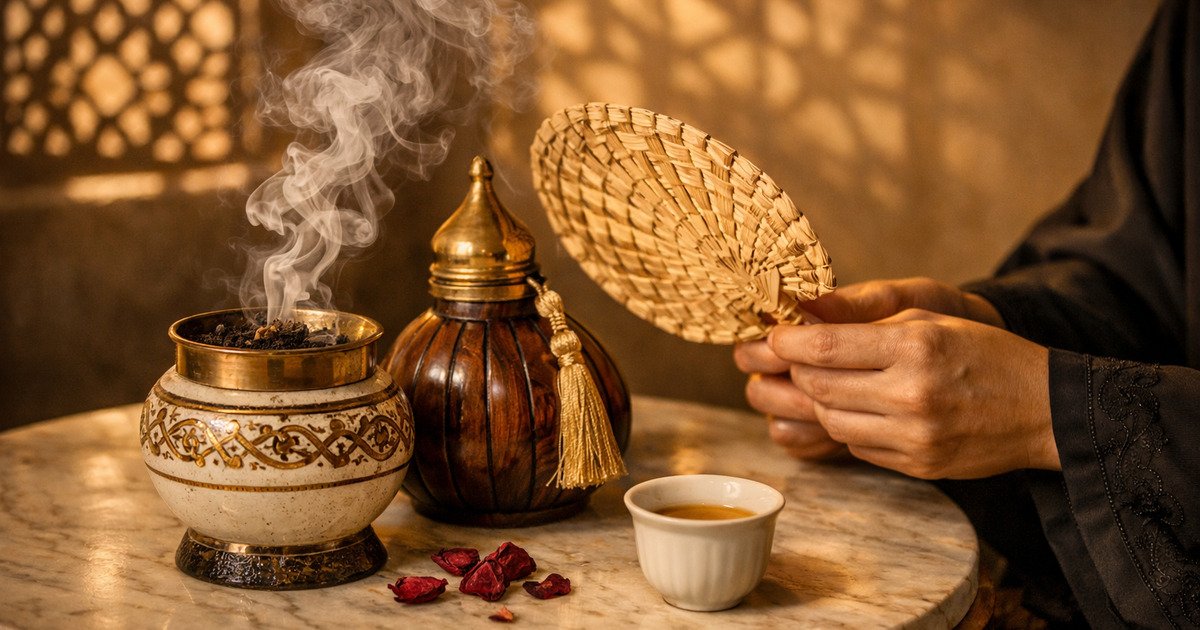
When we speak of bakhoor and oud UAE, we are speaking of a specific alchemy. Bakhoor is the name given to the prepared mixture wood chips soaked in fragrant oils, often blended with musk, amber, sandalwood, and a variety of exotic spices. The process of creating high-quality bakhoor is akin to the work of a master perfumer. Artisans soak the agarwood chips in a base of natural oils for months, sometimes years, allowing the wood to absorb the essence of the oils until it reaches a state of perfection. When placed upon hot charcoal in a traditional incense burner known as a mabkhara, these chips release a rich, hypnotic smoke that fills the home with warmth and welcome.
The significance of bakhoor and oud UAE extends far beyond mere aesthetics. In Emirati culture, the scent of burning oud is the first greeting a guest receives. Before food is served, before coffee is poured, the mabkhara is passed around. It is a tradition rooted in Islamic values of hospitality and cleanliness. The smoke is believed to cleanse the atmosphere of negative energies and to purify the home in preparation for guests. It is also an integral part of social gatherings, weddings, and festive occasions such as Eid and Ramadan.
During weddings, the role of bakhoor and oud UAE becomes even more pronounced. It is used to perfume the bride and groom before their union, symbolizing purification and the beginning of a blessed life together. The scent lingers on bridal attire, often woven into the fabric of the wedding dress or the groom’s kandura. This olfactory memory becomes tied to the celebration itself, creating a lasting sensory imprint that evokes joy and community for years to come.
From a scientific perspective, the psychological impact of such scent traditions is profound. A published study highlighted the effects of agarwood (oud) inhalation on the human nervous system. The research indicated that the compounds found in agarwood can have a significant calming effect, reducing stress and anxiety levels in individuals exposed to the scent. As the study notes, “Inhalation of agarwood extract significantly decreased heart rate and increased subjective feelings of relaxation compared to a control group.” This physiological response helps explain why bakhoor and oud UAE is not just a cultural preference but a deeply ingrained practice for mental well-being and comfort within the home.
Furthermore, the tradition of bakhoor and oud UAE is intrinsically linked to the concept of gahwa or Arabic coffee. The two rituals are inseparable. In a traditional majlis, the coffee is brewed in a dallah and served in small cups without handles. As the host pours, the guest sips quietly. Following the coffee, the mabkhara is brought out. This sequence of events the bitterness of the cardamom-spiced coffee followed by the sweet, woody richness of the burning oud creates a balanced sensory experience that defines Emirati generosity.
The craftsmanship involved in the production of bakhoor and oud UAE has evolved over the decades. While the raw materials remain largely natural, the methods of blending have become increasingly sophisticated. Today, families often have their own bespoke blends, created by local perfumers who have studied the olfactory preferences of the family for generations. This personalization elevates the bakhoor from a household item to a signature scent, a form of olfactory identity that is as unique as a fingerprint.
In recent years, there has been a global renaissance in the appreciation of natural fragrances, and bakhoor and oud UAE have taken center stage in this movement. International luxury brands have attempted to replicate the complexity of Arabian oud, but connoisseurs argue that the true essence cannot be bottled in a Western-style spray. The experience is not merely the scent itself but the ritual surrounding it. The crackle of the charcoal, the visual of the smoke dancing through the room, and the act of passing the incense burner from hand to hand are all integral to the experience.
This authenticity is what sets bakhoor and oud UAE apart in a global market flooded with synthetic alternatives. The Emirati approach to oud and bakhoor is defined by a commitment to quality and heritage. Many local businesses, often family-run for centuries, maintain direct trade relationships with forests in Southeast Asia, where the Aquilaria trees are sustainably cultivated. The industry is also seeing a shift toward ethical sourcing, ensuring that the trees are not over-harvested in the wild, thus preserving the natural resource for future generations.
The modern Emirati home, whether a villa in Umm Suqeim or an apartment in Dubai Marina, continues to honor this tradition. Even in contemporary interiors dominated by minimalist design, the presence of a mabkhara in the foyer is non-negotiable. It serves as a bridge between the past and the present. For many young Emiratis, the scent of bakhoor and oud UAE is a source of nostalgia, evoking memories of their grandmothers’ homes, family gatherings, and the foundational moments of their childhood. It is a scent that grounds them in their heritage, even as they navigate a globalized world.
The economic impact of this industry within the UAE is substantial. The country serves as a central hub for the global trade in oud and bakhoor, with markets like the Deira Perfume Souk attracting tourists and traders from around the world. According to market analysis reports from the region, the demand for high-end, authentic bakhoor and oud UAE has seen consistent growth year over year, driven both by local consumption and international export. The allure is not limited to the Gulf; there is a growing appetite in East Asia, Europe, and North America for the complex, long-lasting profiles that only traditional Arabian incense can provide.
In addition to its use in homes and celebrations, bakhoor and oud UAE plays a significant role in personal grooming. The tradition of perfuming one’s clothes and hair with the smoke of bakhoor is a daily practice for many. Unlike alcohol-based perfumes that evaporate quickly, the smoke from the bakhoor permeates the fibers of fabrics, leaving a lingering scent that can last for days. It is common to see families on weekend evenings, the women preparing the bakhoor to perfume the clothing for the coming week. This practice ensures that the scent becomes an extension of one’s identity, a subtle yet powerful declaration of cultural pride.
The art of blending bakhoor is a delicate balance. The base is always high-quality agarwood chips, but the top notes can vary wildly depending on the region and the occasion. In the northern emirates, one might find bakhoor with a heavier emphasis on saffron and rose, creating a floral, spicy aroma. In Abu Dhabi, the preference often leans toward deeper, smokier blends with heavier musk and ambergris undertones. These regional variations within bakhoor and oud UAE highlight the diversity of taste within the nation itself, showing that while the tradition is unified, the expression is deeply personal.
When discussing the sensory landscape of the Emirates, one cannot ignore the architectural integration of scent. Historically, the design of traditional houses in the UAE took into account the circulation of air to carry the fragrance of incense throughout the home. The badjeer or wind towers were not only for cooling but also served to disperse the scent of burning oud, ensuring that the entire household was enveloped in a constant state of fragrance. This architectural intelligence reveals how deeply bakhoor and oud UAE is woven into the fabric of daily life.
For the international observer, engaging with this tradition offers a unique gateway to understanding Emirati culture. Tourists visiting the UAE often leave with small boxes of bakhoor or bottles of oud oil as souvenirs, yet the true depth of the tradition is sometimes lost in translation. To truly appreciate bakhoor and oud UAE, one must understand the etiquette that accompanies it. When the mabkhara is passed to a guest, it is customary to fan the smoke gently toward oneself, guiding the scent to the clothes and hair, and then to return the burner with a gesture of thanks. It is a moment of connection, a non-verbal exchange of respect and welcome.
In the realm of literature and cultural documentation, the significance of these scents is frequently noted. In her ethnographic work on Gulf Arab societies, Dr. Aisha Al-Mansoori wrote extensively about the role of sensory experiences in cultural preservation. She observed that “the persistence of incense rituals in urbanized Gulf settings underscores a collective resistance against cultural homogenization. The act of burning bakhoor and oud UAE is a deliberate, daily reaffirmation of identity.” This perspective highlights that in a region characterized by rapid change and a high expatriate population, these scent rituals serve as anchors of stability and continuity.
The sustainability aspect of bakhoor and oud UAE is also garnering increased attention. As global awareness of environmental issues rises, local producers are pioneering methods to ensure the longevity of the agarwood supply. Cultivation projects within the UAE and partnerships with sustainable farms in Asia are becoming the norm. The goal is to ensure that future generations can enjoy the same quality of oud that their ancestors did. This forward-thinking approach aligns with the UAE’s broader national agenda of sustainability, ensuring that cultural preservation and environmental responsibility go hand in hand.
The emotional resonance of bakhoor and oud UAE is perhaps best understood during the holy month of Ramadan. As the sun sets and families gather to break their fast, the air is thick with the scent of incense. It signals a time of spiritual reflection, family unity, and gratitude. The mosques, too, are perfumed with the finest bakhoor, creating an atmosphere of serenity and devotion. For many, the scent of oud is synonymous with the spiritual peace of Ramadan, making it one of the most cherished associations in Emirati life.
From a commercial standpoint, the industry surrounding bakhoor and oud UAE has become a beacon of entrepreneurial success. Young Emirati entrepreneurs are launching boutique perfume houses that blend traditional techniques with modern branding. They are telling the story of their heritage through scent, using social media and e-commerce to reach a global audience. These new ventures are not replacing the old souk traders but rather expanding the market, showing that tradition can be a springboard for innovation rather than a constraint.
The complexity of oud itself is a subject of endless fascination. There are hundreds of varieties of agarwood, each with its own distinct profile. Some are fruity and sweet, while others are intensely smoky and leathery. The value is determined by the quality of the resin and the age of the tree. In the world of bakhoor and oud UAE, this complexity is celebrated. Collectors and connoisseurs will spend years cultivating relationships with distillers to acquire rare batches of pure oud oil, known as dehen al oud. These oils are often used in small dabs as personal perfume, layered with the smoke of bakhoor for a multidimensional fragrance experience that is unparalleled in the world of perfumery.
The ritual of preparing the home for guests is incomplete without bakhoor and oud UAE. Before a gathering, it is common practice to “perfume the house” by burning bakhoor in every room, ensuring that the scent greets guests the moment they step through the door. This practice is rooted in the concept of barakah or blessings, as the pleasant scent is believed to attract positive energies and create an environment conducive to good conversation and fellowship. It is a silent yet powerful form of hospitality, conveying that the host has taken the time to prepare not just physically but spiritually for the arrival of their guests.
In the context of global perfumery, the influence of bakhoor and oud UAE is undeniable. Major European perfume houses have spent the last two decades attempting to capture the essence of this tradition, often resulting in fragrances that borrow heavily from Arabian motifs. However, the true essence remains elusive to those who do not practice the ritual. The distinction lies in the fact that in the UAE, oud and bakhoor are not merely luxury goods; they are essentials of life. They are used daily, democratically, by people from all walks of life. From the grand palaces of royalty to the humble abodes in the mountains, the tradition is universal.
Looking toward the future, the preservation of this heritage is taken seriously by cultural institutions in the UAE. Museums and heritage centers often feature exhibits on the history of perfumery and incense in the region, educating younger generations about the origins of bakhoor and oud UAE. There are workshops and courses dedicated to teaching the art of blending bakhoor, ensuring that the traditional knowledge is not lost to time. These efforts underscore a national commitment to safeguarding intangible cultural heritage, recognizing that these scents are as much a part of the UAE’s identity as its architecture and language.
The sensory experience of the UAE is a layered one. It is the sound of the call to prayer echoing through the city, the taste of dates and coffee, and overwhelmingly, the scent of incense. For those who have grown up with it, bakhoor and oud UAE is a comfort, a reminder of home. For those new to the region, it becomes a lasting memory, a scent that will forever be associated with the warmth and generosity of the Emirati people. It transcends the boundaries of language and nationality, communicating through the most primal of human senses.
In conclusion, the tradition of bakhoor and oud UAE is a living, breathing entity. It adapts to the times without losing its soul. It is a practice that honors the past while embracing the future. In every wisp of smoke rising from a mabkhara, there is a story of trade routes that connected the Arabian Peninsula to the Far East, of families who passed down secret recipes through generations, and of a nation that takes pride in preserving its unique identity. To understand the UAE, one must breathe it in, for in the lingering trail of bakhoor lies the heart of a culture that values warmth, generosity, and an unbreakable connection to its roots. The scent is more than a fragrance; it is an inheritance, a gift from one generation to the next, and a welcome to all who enter its embrace.